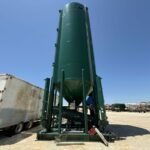
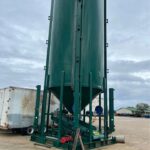
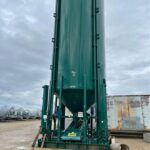
Vertical Pneumatic Cement/Fly-Ash Silo – ~5,250 cu ft (~1,310 bbl / ~247 tons) – Conversion in Progress, Ready Mid-December 2025

$84,500.00 USD
Fixed
Hot Deal
8979

Send a Message to the ConcreteIron Concierge

This field is for validation purposes and should be left unchanged.

Calculator Icon

Gearhead Finance

Flexible Financing for all types of equipment.

Apply Now
Inspection Icon

Pre-Buy Inspection Services

Check now
Lock Icon

Pricing & Features

Check now

General Details

  • address
    Location

    Graham Texas, USA

  • model
    Model

    5250 Cu. Ft.

  • year
    Year

    2015

  • condition
    Condition

    Used

Description

A high-capacity vertical pneumatic cement/fly-ash silo (~5,250 cu ft, approximately 1,310 bbl or ~247 short tons) is available for purchase. This unit is currently undergoing a professional conversion from bulk-sand configuration to full cement/fly-ash service. Conversion work is progressing now and scheduled for completion by mid-December 2025. The silo will be upgraded, and ready for cement operations.

Location

  • The silo is located in Graham, Texas, with conversion work being performed onsite.

  • Available for delivery or pickup upon completion in December 2025.


Capacity & Core Specifications

  • Approximate capacity: 5,250 cubic feet (~1,310 barrels / ~247 tons at 94 lb/ft³)

  • Vertical design with pneumatic discharge (“cement pig” configuration)

  • Structurally solid with one small dent on the top (cosmetic only; no operational impact)

  • Color: dark green (optional repainting available)


Conversion Scope (In Progress)

Scheduled completion: mid-December 2025

The following upgrades and conversion items are being performed:

  • Addition of a new 12-inch slide gate with hand wheel
  • Installation of a rotary vane air-lock feeder, Model WAM RVN20201A00 (12×12), with motor and Vulkolan tips

  • Integration of pneumatic blow-through discharge components

  • Installation of new PRV (pressure relief valve)

Buyers may request additional upgrades (quoted as needed).


Optional Add-Ons (Available at Completion)

  • Sand-blast and repaint

  • High-level bin indicator system

  • Additional fittings, reducers, elbows, or custom piping

  • Freight + offloading/uprighting available (no crane needed with the specialized trailer we can arrange)


Benefits of This Configuration

  • Large single-silo capacity reduces refill cycles

  • Pneumatic discharge configuration simplifies unloading

  • Upgraded feeder and slide gate improve flow control

  • Versatile for cement, fly-ash, or similar dry bulk materials

  • Conversion ensures the silo is ready for service


Summary / Suitability

This silo is ideal for ready-mix plants, portable or stationary batch operations, precast facilities, and any operation requiring large-volume cement or fly-ash storage with pneumatic unloading capability. It will be fully converted, prepped, and ready for operation by mid-December 2025.

This listing includes all key operational details such as capacity, conversion scope, feeder type, discharge method, fill/vent design, structural condition, and available upgrades. These specifications help buyers confirm compatibility with their material-handling needs and ensure the silo will integrate cleanly into existing production environments.

ID: 20843
Date: 10.22.2025

Concrete Iron no bg 200x40

Built for the Concrete Industry—Driven by Results

About ConcreteIron.com
ConcreteIron.com is the world’s first and only online equipment marketplace built exclusively for the concrete industry. Since 2004, we’ve helped contractors, equipment owners, and dealers buy and sell used concrete equipment with confidence. Whether you’re listing one item or managing an entire fleet, our platform delivers industry-specific exposure, serious buyers, and real results—without the noise of unrelated equipment.

We also offer full-service marketing through ConcreteIron Marketing—a creative agency built by concrete industry insiders. We deliver high-impact strategy and execution tailored specifically for the concrete world. From websites that convert to videos that sell and content that connects, we provide end-to-end marketing solutions backed by decades of industry experience. If it drives growth, we make it happen. Explore our services at ConcreteIronMarketing.com.

Calculator Icon

Gearhead Finance

Flexible Financing for all types of equipment.

Apply Now
Inspection Icon

Pre-Buy Inspection Services

Check now
Lock Icon

Pricing & Features

Check now

FAQ

What is the actual storage capacity of this silo? +

The silo has an approximate capacity of 5,250 cubic feet, which equals roughly 1,310 barrels or approximately 247 short tons when storing cement at standard density (94 lb/ft³). This capacity makes it suitable for medium to large-scale concrete production operations. The vertical design maximizes storage volume while minimizing ground footprint.

What materials can this silo store? +

This silo is configured for cement and fly-ash storage. After the current conversion is complete, it will handle Portland cement, fly ash, slag cement, and similar powdery cementitious materials. The pneumatic discharge system and rotary vane feeder are specifically designed for fine, dry bulk materials. It is not suitable for aggregates, sand, or moisture-sensitive materials without additional modifications.

What is the WAM RVN20201A00 rotary vane feeder? +

The WAM RVN20201A00 is a 12-inch by 12-inch square opening rotary vane feeder that operates at 20 RPM. It features Vulkolan plastic tips on the rotor blades for durability and consistent material flow. This heavy-duty feeder provides reliable, controlled discharge of cement from the silo into pneumatic conveying lines or directly to batching equipment. WAM is a globally recognized manufacturer of bulk material handling equipment.

What work is being done during the conversion? +

The silo is being converted from bulk sand storage to cement/fly-ash service. The conversion includes: installation of a new 12-inch slide gate with hand wheel, integration of the WAM RVN20201A00 rotary vane feeder with motor, addition of pneumatic blow-through discharge components, and installation of a new pressure relief valve (PRV). This conversion ensures the silo meets all requirements for safe cement handling.

When will the silo be ready for delivery? +

The conversion work is scheduled for completion by mid-December 2025. The silo will be fully upgraded, tested, and ready for cement operations at that time. Buyers can arrange delivery or pickup once the conversion is complete. Additional upgrades or customization requests may affect the timeline and should be discussed with the seller.

What is the structural condition of the silo? +

The silo is structurally solid with only one small cosmetic dent on the top section that does not affect operational performance. The main body, cone, legs, and support structure are in good condition. The silo is approximately 10 years old (manufactured in 2015) and has been well-maintained. The dark green exterior color is original, with optional repainting available.

How does the pneumatic discharge system work? +

The pneumatic discharge system uses compressed air to fluidize cement at the bottom of the silo, allowing it to flow into the rotary vane feeder. The feeder meters material into a pneumatic conveying line where additional air carries it to the destination. This “blow-through” configuration is ideal for conveying cement over distances up to several hundred feet. The system requires a consistent air supply at appropriate pressure.

What are the power requirements? +

The rotary vane feeder motor is a WAM part MT1450C06W46 (available as Baldor or WAM brand). This typically requires 460V three-phase power, though specific voltage can be confirmed. Additionally, you’ll need compressed air capability for the pneumatic system, typically 80-120 PSI at sufficient CFM for your discharge rate. The exact air compressor size depends on conveying distance and production demands.

How quickly can this silo discharge cement? +

Discharge rate depends on several factors including air pressure, conveying distance, and feeder speed. The 12×12 rotary feeder at 20 RPM can handle substantial throughput, typically in the range of 20-40 tons per hour under normal operating conditions. Actual rates vary based on your specific pneumatic system configuration and cement characteristics. The large opening size ensures consistent flow without bridging.

How is the silo transported and installed? +

The silo is located in Graham, Texas. The seller mentions that freight with offloading and uprighting can be arranged without requiring a crane using specialized trailer equipment. This is a significant advantage, as traditional silo installations typically require large mobile cranes. The vertical silo can be transported horizontally on a flatbed and then hydraulically raised into position on-site.

What foundation is required? +

A concrete foundation is required to support the silo’s four legs. The foundation must be level, properly reinforced, and include embedded steel plates for welding or bolting the silo legs. Foundation specifications depend on soil conditions and total loaded weight (silo plus approximately 247 tons of cement). A qualified structural engineer should design the foundation based on your site conditions.

Does installation require special equipment? +

While the seller offers crane-free installation using specialized equipment, you’ll still need standard rigging equipment, welding equipment for securing legs to the foundation, and equipment to connect pneumatic lines, electrical conduit, and the discharge system to your batching plant. The conversion includes all major components, but you’re responsible for integrating it into your existing facility.

What regular maintenance does this silo require? +

Regular maintenance includes: cleaning or replacing the top-mounted dust collector filter (monthly to quarterly depending on usage), inspecting and lubricating the screw conveyor system if present, checking the rotary feeder for wear on Vulkolan tips (annually), verifying the pressure relief valve operates correctly, monitoring material level sensors, and inspecting seals around fill pipes and manholes. The pneumatic aeration system should be checked periodically for proper airflow.

How long do rotary feeder components last? +

The Vulkolan tips on WAM rotary feeders are known for durability. Under normal cement handling conditions, tips can last 3-5 years or longer before replacement is needed. The feeder motor and bearings require standard maintenance per manufacturer specifications. WAM provides excellent parts support, and replacement components are readily available through industrial equipment suppliers nationwide.

What optional upgrades are available? +

The seller offers several optional upgrades including: sandblasting and repainting in your preferred color, high-level bin indicator system for automated monitoring, additional fittings such as reducers and elbows for pneumatic connections, custom piping configurations, and specialized freight/installation services. These upgrades can be quoted individually based on your specific requirements and preferences.

Additional Notes

Safety Compliance: The new PRV (pressure relief valve) is a critical safety component that prevents over-pressurization during pneumatic filling. Always ensure delivery truck operators are trained in proper silo filling procedures.

Material Flow: Cement silos should be kept as full as practical to maintain proper material flow and prevent moisture absorption. The pneumatic system’s aeration keeps cement fluidized and prevents bridging or rat-holing.

Inspection Opportunity: Buyers are encouraged to inspect the silo in Graham, Texas before or after the conversion is complete. Contact the ConcreteIron Concierge at 817-837-9812 to schedule a viewing.

Price: Listed at $84,500 USD, this represents excellent value for a fully converted, operational-ready cement silo with premium discharge equipment included.