
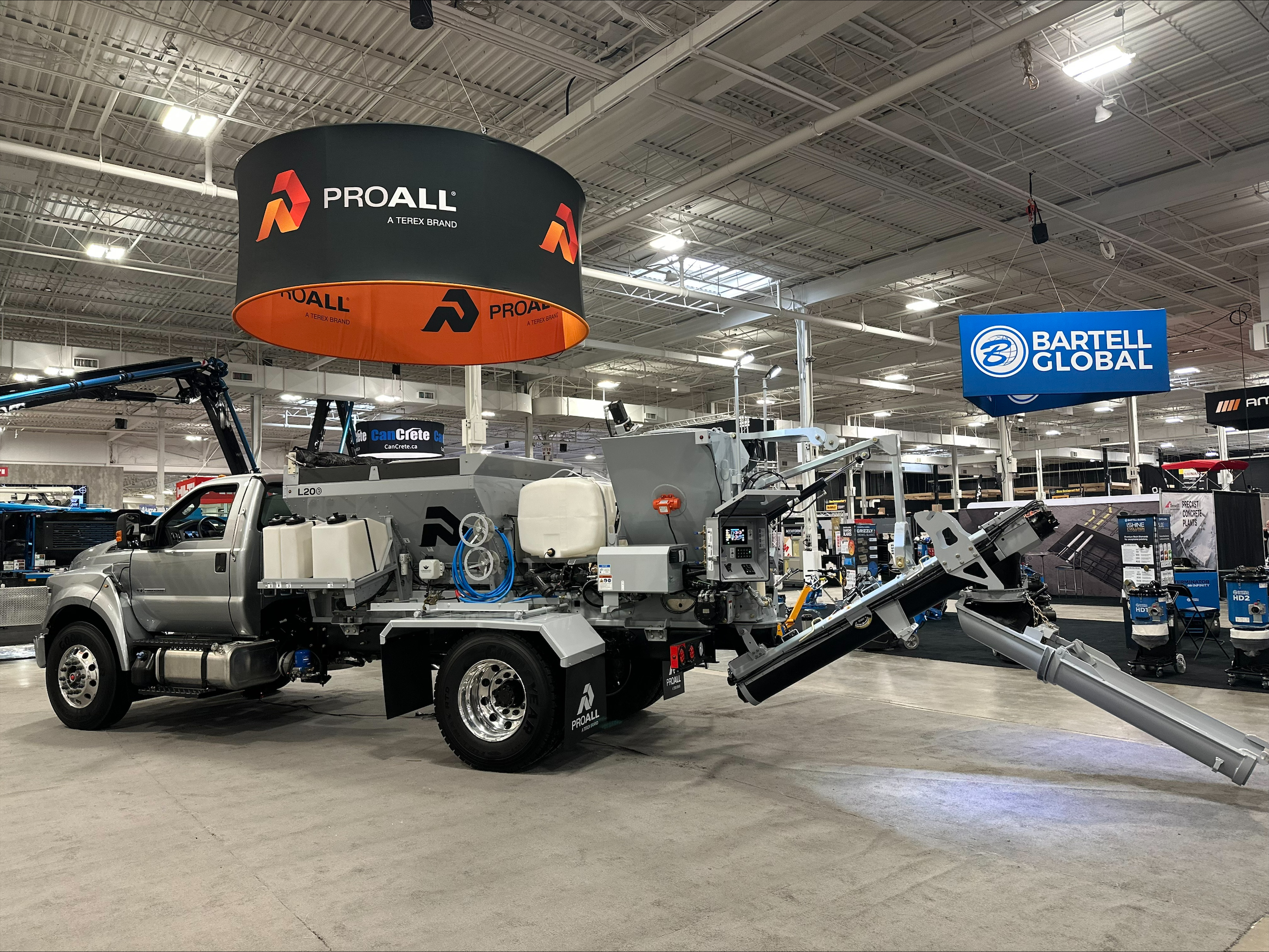
How the ProAll L20R Removes the Need for a CDL Driver and Simplifies On-Site Concrete Production
By Kole Wade, President at ConcreteIron
A Different Approach to a Growing Industry Constraint
In the concrete equipment world, “smaller” usually comes with tradeoffs.
Less output. Less capability. Less flexibility.
That’s not what’s happening with the ProAll L20R.
Instead of scaling something down, ProAll focused on solving a specific set of challenges their customers deal with—labor constraints, CDL requirements, and the need for more flexibility.
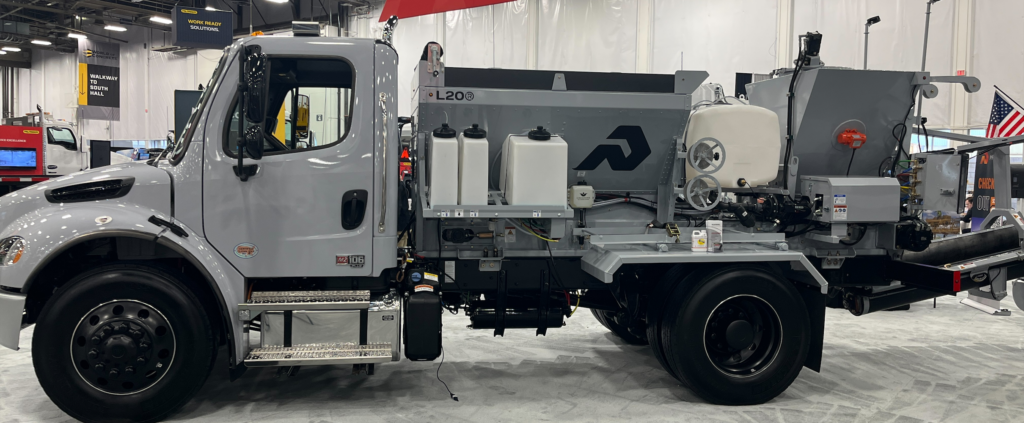
Designed to stay under the 26,000 lb CDL threshold, the L20R removes the need for a CDL driver in most cases. And that one decision alone removes one of the biggest barriers in the industry right now—who can actually run the equipment.
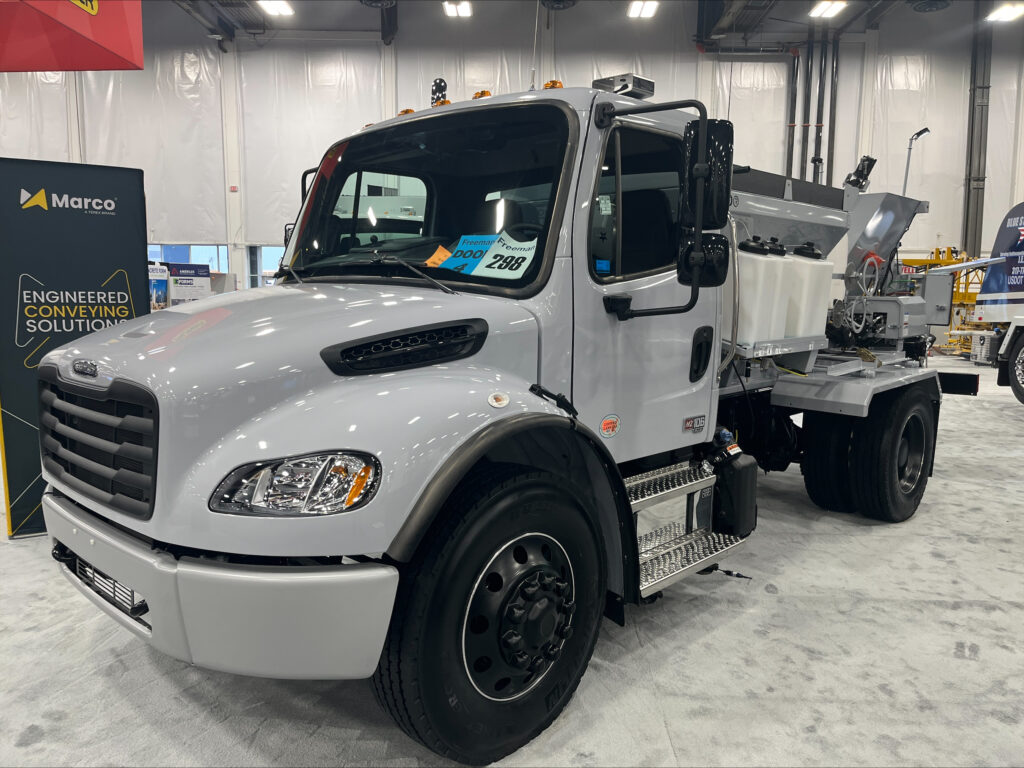
Remove the Need for a CDL Driver
The ProAll L20R can be moved from job to job and does not require a CDL license to operate.
Finding and retaining CDL drivers has become a real challenge across the industry, and it directly impacts how equipment gets deployed. By staying under the CDL threshold, the L20R removes that requirement—so you’re not limited by who is qualified to drive it on public roads.
It’s a simple change, but it removes a major constraint and makes the unit easier to put to work wherever it’s needed.
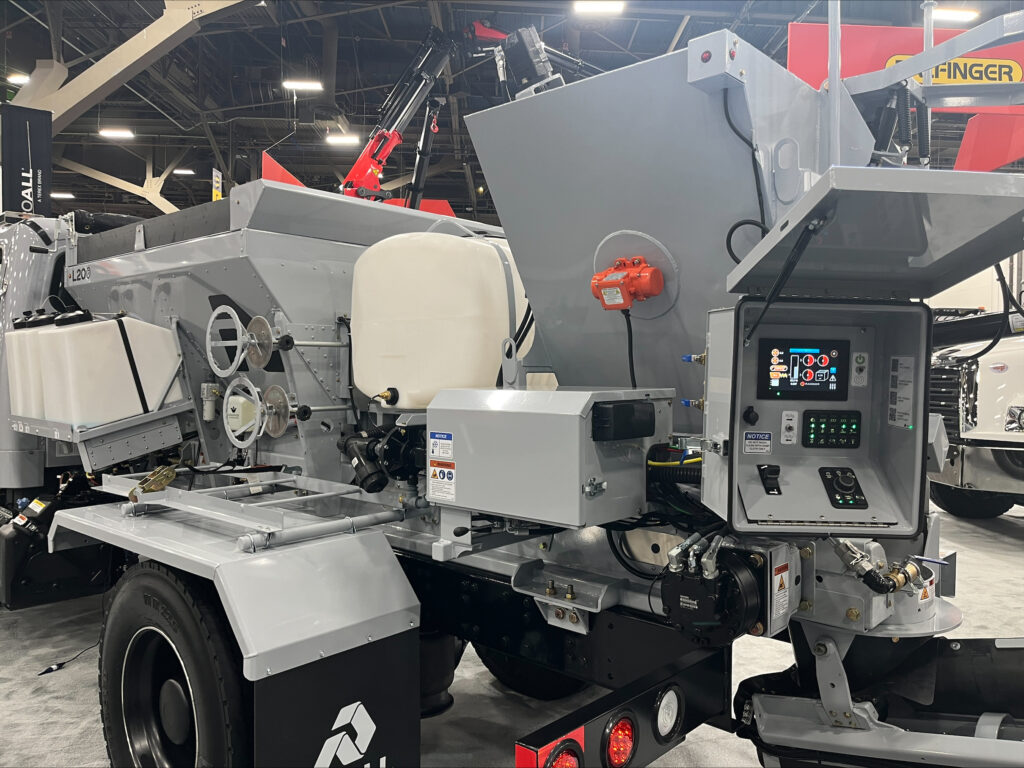
Built for Any Crew—Not Just Experienced Operators
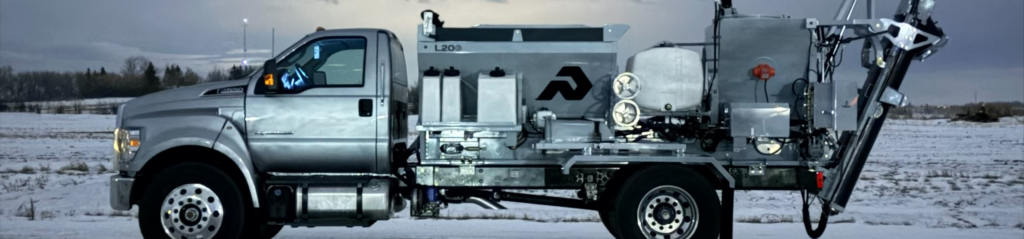
ProAll didn’t just reduce the weight—they simplified how the machine is used.
The L20R is designed so it doesn’t require a seasoned volumetric operator to run effectively. Controls are straightforward, calibration is simple, and the workflow is easy to understand. That shorter learning curve makes it easier for new operators to become proficient quickly.
On the jobsite, that simplicity shows up immediately.
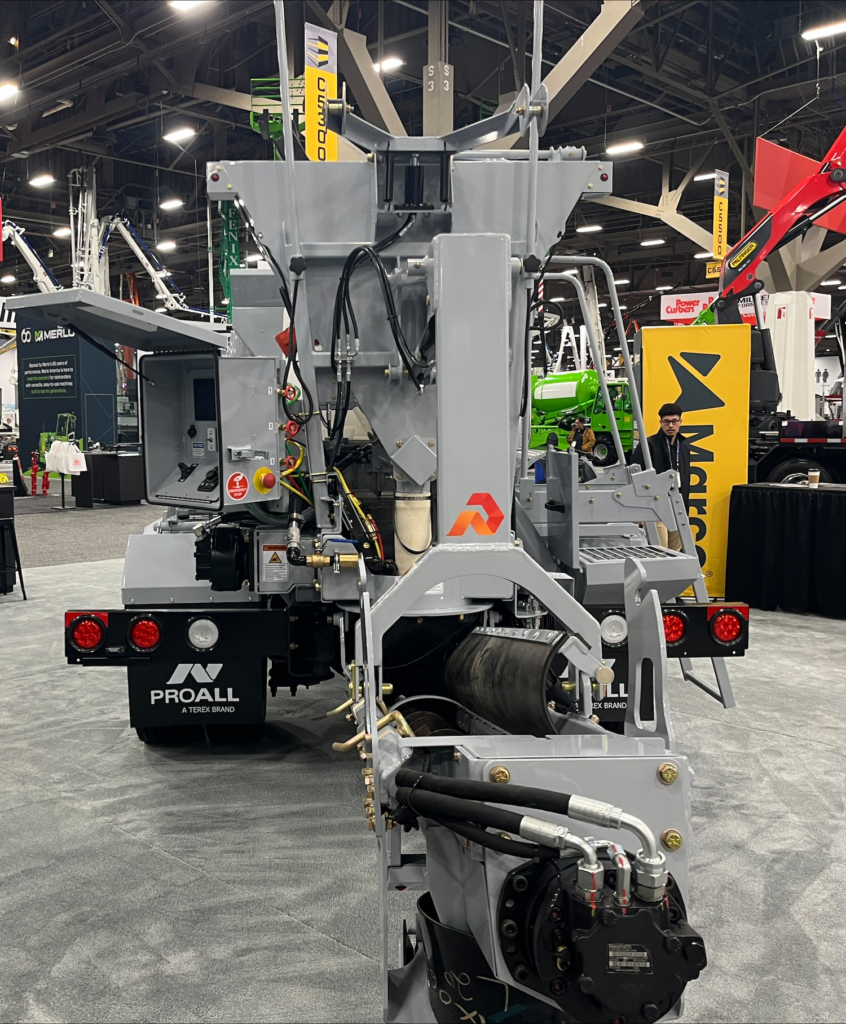
A silo isn’t required. Cement can be loaded directly from the ground using a built-in bag-fill system. That’s a bigger deal than it sounds—anyone who’s had to hand-load bags into a traditional volumetric knows it usually means climbing up, breaking bags over the hopper, and slowing everything down.
The L20R keeps that process at ground level and built into the machine, so you can keep material moving without turning cement loading into a bottleneck.
Aggregates can be handled with a skid steer—simple and familiar for most operations.
Most of the support equipment needed to run the ProAll L20R is already on hand. With a skid steer and material supply, there’s no need to invest in additional specialized equipment just to put the unit to work.
You don’t need a plant. You don’t need dedicated infrastructure.
You need material, a loader, and an operator.
Produce Concrete on Your Schedule
A lot of work in this industry doesn’t require continuous production, but it still requires control.
Utility work, municipal repairs, sidewalks, and phased pours all depend on timing. And when you’re relying on outside delivery, that timing isn’t always in your control.
With on-site volumetric production, that dynamic changes.
You can produce what you need, when you need it, and adjust as conditions change throughout the day. You’re not working around delivery windows or rushing to beat the clock—you’re working at the pace of the job.
That level of control also eliminates short-load headaches, but more importantly, it allows the work to flow the way it should.
Right-Sized Capability for Real-World Work
The L20R isn’t trying to replace larger volumetric mixers—and it doesn’t need to.
Different types of work call for different approaches to concrete production. Some jobs require high-output systems, while others demand flexibility, mobility, and the ability to produce concrete on demand without added complexity.
That’s where the L20R fits.
It’s compact enough to easily move between jobs, while still delivering the core advantages of volumetric mixing—on-demand production, mix control, and consistent output.
You’re not stepping down in capability. You’re matching the equipment to your business and the job at hand.
Lower Complexity, More Flexibility
When you remove CDL requirements, outside scheduling, and unnecessary infrastructure, you simplify more than just the equipment—you simplify the entire workflow.
Smaller jobs become easier to take on. Remote work becomes more manageable. Phased pours stop feeling like a logistical problem.
You’re no longer coordinating between multiple moving parts just to get concrete where it needs to go. You’re producing it when and where the job demands.
That kind of flexibility changes how work gets planned—and what work becomes worth taking.
The L20R makes the most sense in operations where flexibility matters more than maximum output.
It’s a natural fit for:
- Municipal public works departments
- Utility contractors (water, sewer, electric)
- Sidewalk and curb work
- Contractors adding in-house concrete capability
- Jobs that involve smaller or phased pours
- Rural areas and remote locations
- Ranchers and farmers who need on-demand concrete production
These are the types of applications that often get overlooked by traditional solutions—but they make up a significant portion of real-world work.
And that’s really the point.
The ProAll L20R isn’t about doing the same work with a smaller machine. It’s about solving a different set of problems—labor constraints, CDL requirements, and the need for more flexibility in how and when concrete gets produced.
Removing these barriers gives contractors and municipalities more control over their operations without adding complexity.
And right now, that’s where the real value is.
