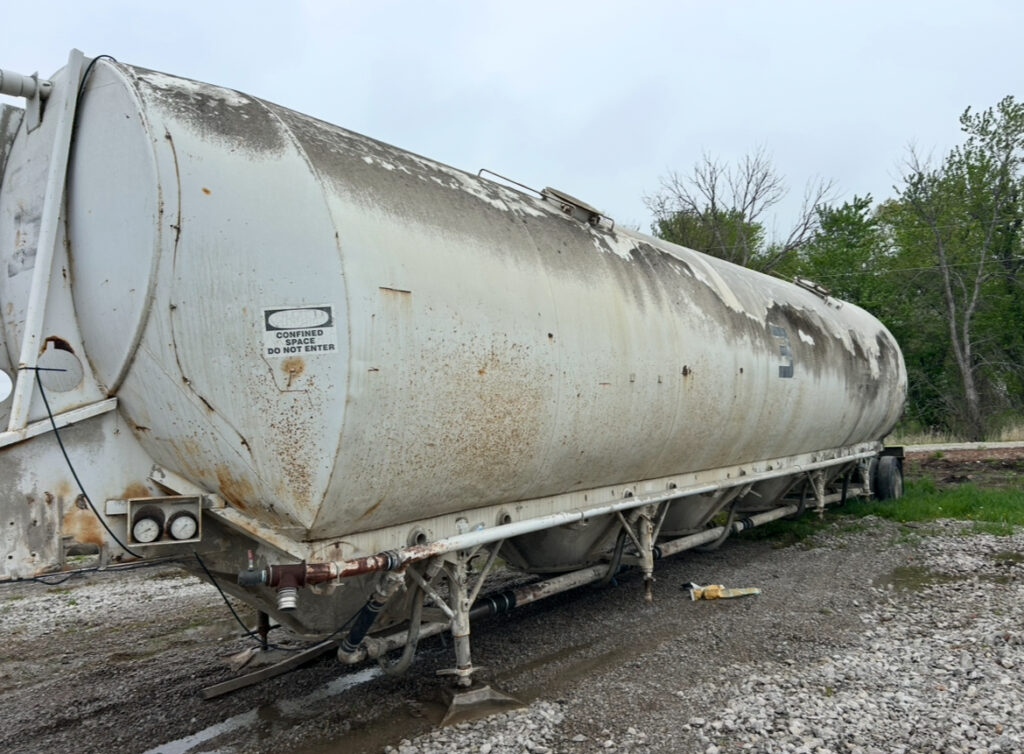
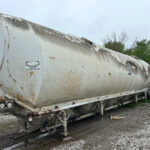
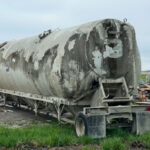
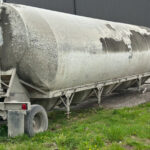
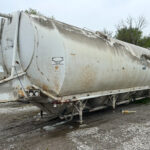
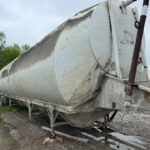

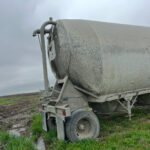
1970’s Butler 4100cf portable storage silo

This Equipment Is Expired

Please click the link below to explore other relevant equipment listings:

$20,000.00 USD
Fixed
261
Calculator Icon

Gearhead Finance

Flexible Financing for all types of equipment.

Apply Now
Inspection Icon

Pre-Buy Inspection Services

Check now
Lock Icon

Pricing & Features

Check now

General Details

  • address
    Location

    50313 ,50313

  • brand
    Make

    Butler

  • model
    Model

    Butler 4100

  • year
    Year

    1979

  • condition
    Condition

    Used

Description

This equipment listing has expired and is no longer active

ID: 25901
Date: 11.11.2025
Calculator Icon

Gearhead Finance

Flexible Financing for all types of equipment.

Apply Now
Inspection Icon

Pre-Buy Inspection Services

Check now
Lock Icon

Pricing & Features

Check now

FAQ

What is the storage capacity of the 1970’s Butler 4100cf portable storage silo? +

The 1970’s Butler 4100cf portable storage silo model designates a portable storage silo with approximately 4,100 cubic feet of storage capacity. This translates to approximately 1,025 barrels of capacity (measured in standard 4-cubic-foot increments used in the cement equipment industry). Based on typical bulk material storage, this represents approximately 120-140 tons of cement storage capacity when accounting for pneumatic fill density. The actual tonnage may vary depending on the specific material being stored and its moisture content.

What are the physical dimensions and mounting of the 1970’s Butler 4100cf portable storage silo? +

While exact dimensions for this specific late-1970s model are not detailed in current documentation, Butler portable storage silos of this capacity class typically feature cylindrical steel construction with a diameter of approximately 10-12 feet and a height around 40-50 feet. The unit comes equipped with support legs and pads (included with this listing) that allow it to sit level on prepared ground. The unit is designed to be lifted, transported, and set on site by crane or heavy-duty equipment. For complete specifications, visit the contact page.

What materials is the 1970’s Butler 4100cf portable storage silo designed to store? +

The 1970’s Butler 4100cf portable storage silo portable storage silo is designed primarily for storage of bulk cement and other dry powdered materials common in concrete operations. It is suitable for storing Portland cement, fly ash, lime, silica fume, and similar fine powders used in batch plants. The unit is not designed for storing wet materials, corrosive substances, or abrasive aggregates. Storage of any material should comply with the material’s chemical compatibility with steel construction.

What is the structural construction of the 1970’s Butler 4100cf portable storage silo? +

The 1970’s Butler 4100cf portable storage silo features welded steel cylindrical tank construction. The silo is built from carbon steel plates assembled through welding to create a pressure vessel capable of holding bulk materials. The interior design typically includes a conical hopper bottom to aid in material discharge. The exterior is exposed steel, which requires maintenance to prevent rust and corrosion. All legs and support pads are included with this unit, as confirmed in the listing.

What are the advantages of this portable storage silo compared to other storage methods? +

Portable storage silos offer several key advantages: (1) flexibility to relocate to different job sites as needed; (2) ability to serve multiple batch plants from one storage point; (3) reduced cement consumption waste compared to bagged cement; (4) improved workflow efficiency by maintaining steady material supply; (5) weather protection for bulk materials; (6) simplified material handling compared to manual bagging; and (7) ability to store materials at the jobsite for easy access. These advantages made portable silos popular for mid-sized to large concrete operations.

What capacity considerations apply to this 1970’s Butler 4100cf portable storage silo era equipment? +

This 1970’s Butler 4100cf portable storage silo represents a mid-to-large capacity portable storage silo appropriate for concrete batch plants producing 100+ yards per day. The approximately 4,100 cubic feet capacity allows for substantial material storage, typically supplying a full day’s concrete production without requiring multiple cement deliveries. This capacity is well-suited for contractors operating dedicated batch plants or serving multiple project sites. Smaller operations would typically use 1,500-3,000 cubic foot silos, while very large facilities use 5,000+ cubic foot units.

What weather and environmental conditions affect silo operation and longevity? +

1970’s Butler 4100cf portable storage silo, being made of exposed steel, are affected by weather and environmental conditions. Rust and corrosion develop over time from moisture exposure, especially in humid climates or near coastal areas with salt spray. Temperature extremes can affect material flow characteristics—very cold temperatures increase cement stiffness, while high heat can accelerate material settling. Rain should not enter the silo (design includes a weathertight top), but condensation can form inside if temperature changes occur. This 1970s unit requires regular inspection for corrosion and weathering.

What maintenance is required for a 1970’s Butler 4100cf portable storage silo to remain operational? +

Regular maintenance for this portable silo includes: (1) exterior inspection for rust and corrosion, with touch-up painting as needed to prevent deterioration; (2) inspection of all welds for cracks or separation (critical for structural integrity); (3) cleaning of the interior to prevent material buildup and moisture accumulation; (4) lubrication of any moving parts (auger, vibrator connections); (5) inspection of the hopper bottom for corrosion or damage; (6) checking all support legs and pads for cracks or settling; (7) inspection of pneumatic fill line for blockages or damage; and (8) regular inspection of any auxiliary equipment (auger motors, blower systems) if present. Consult the original Butler equipment manual for specific maintenance intervals.

What is the condition of this particular unit regarding rust and deterioration? +

The listing indicates this unit is “clean of product” and located in Des Moines, Iowa. However, as a 1970s-era silo (approximately 45+ years old), some degree of surface rust and corrosion should be expected unless the unit has been extensively restored. The seller notes that “all legs and pads are included,” suggesting these critical components remain serviceable. Professional inspection is highly recommended to assess structural integrity, weld conditions, and corrosion severity before purchase.

What repairs or restoration might be needed for a 1970’s Butler 4100cf Portable Storage Silo? +

For a 1970s-era silo, likely needed maintenance or repairs include: (1) sandblasting and repainting the exterior to remove rust and prevent further corrosion; (2) inspection and potential rewelding of seams or support connection points if corrosion has weakened them; (3) replacement of gaskets, seals, and connection hardware; (4) rebuilding or replacement of the auger system if present; (5) replacement of worn or damaged pads on support legs; (6) pressure testing to verify structural integrity; and (7) installation of a modern pneumatic fill system if the original is damaged. Restoration costs can be substantial for equipment this age.

What support and documentation is available for the 1970’s Butler 4100cf Portable Storage Silo? +

As a 1970’s Butler 4100cf portable storage silo, original manufacturer documentation may be difficult to locate. Butler equipment, if still in operation, would require working with vintage equipment specialists or similar-era equipment dealers. The concrete equipment industry has evolved significantly since the 1970s, so replacement parts may not be directly available and may require custom fabrication or adaptation. Before purchasing, verify whether an operator’s manual or technical documentation is available from the seller, as this will be critical for safe operation and maintenance.

How is the 1970’s Butler 4100cf Portable Storage Silo transported and installed on-site? +

The 1970’s Butler 4100cf portable storage silo, being portable, is designed to be lifted by crane and transported on a heavy-duty flatbed trailer. The unit includes all legs and pads required for sitting level on prepared ground. Installation involves: (1) securing a level, compacted site with adequate drainage; (2) positioning the silo using a crane to lower it onto prepared legs and pads; (3) ensuring the silo sits level and stable; (4) connecting the pneumatic fill line from the top to the bulk cement truck source; (5) connecting the discharge auger (if equipped) to your batch plant hopper; (6) installing any electrical connections for the auger motor or vibrator systems; and (7) pressure testing before initial operation.

What site preparation is necessary before installing the 1970’s Butler 4100cf portable storage silo? +

Proper site preparation is critical for safe, long-term silo operation: (1) Level Ground: The site must be level and properly compacted (consult local soil engineering requirements). (2) Drainage: Ensure ground slopes away from the silo base to prevent water pooling. (3) Foundation: Most portable silos sit directly on their included legs and pads without concrete foundations, but verify with professional inspection. (4) Access: Ensure adequate space for cement delivery trucks to access the fill line and for discharge material to reach batch plant hoppers. (5) Clearance: Provide clearance for maintenance and inspection access. (6) Weather Protection: Consider placement away from prevailing winds if possible to minimize dust exposure.

What are the equipment infrastructure requirements to operate the 1970’s Butler 4100cf portable storage silo? +

To operate this portable silo, you need: (1) Pneumatic Delivery: Access to pneumatic cement trucks from suppliers for filling the silo (requires connection to the fill line at the silo top). (2) Discharge Connection: Connection from the silo discharge to your batch plant’s cement hopper (typically via truck or directly into mixing equipment). (3) Power Supply: If the silo has an electric auger motor or vibrator system, adequate electrical service must be available. Some vintage equipment may use air-driven systems instead of electric. (4) Compressed Air: If equipped with air vibrators or pneumatic controls, a compressor may be needed. (5) Operator Knowledge: Personnel trained on proper operation, safety procedures, and material handling. (6) Maintenance Access: Safe access to the silo top for inspection and cleaning (ladder or platform required).

Additional Information

For More Details: Contact the seller Mike Housby at mikehousby1@gmail.com or (515) 669-0800. The seller indicates there are two units available, located in Des Moines, Iowa.

Professional Inspection Strongly Recommended: Given this equipment’s age (1970s), a comprehensive third-party inspection by a professional familiar with portable silos is essential before purchase. This should include structural integrity assessment, weld inspection, corrosion evaluation, and pressure testing.

Spare Parts Availability: Verify availability of replacement parts before purchase, particularly if the unit requires repairs. 1970s-era Butler equipment may require custom fabrication for some components, which can be expensive and time-consuming.

Historical Context: Butler portable storage silos were popular in the concrete industry during the 1970s-1980s. While outdated by today’s standards, well-maintained units can still provide functional storage. Modern alternatives may offer better durability, safety features, and lower maintenance requirements.

Financing Options: ConcreteIron.com partners with Gearhead Finance for flexible financing if needed for your equipment purchase.

Click here to share on your social media platforms.