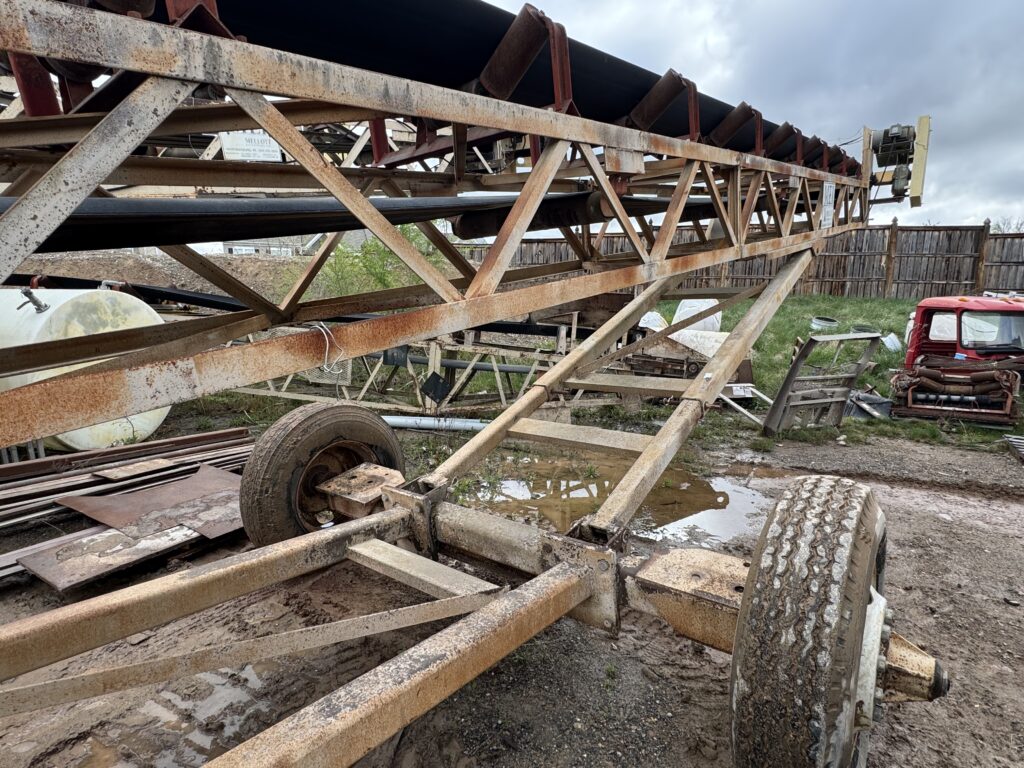
2007 Mellot Stacking Conveyors

This Equipment Is Expired

Please click the link below to explore other relevant equipment listings:

$15,000.00 USD
Fixed
216
Calculator Icon

Gearhead Finance

Flexible Financing for all types of equipment.

Apply Now
Inspection Icon

Pre-Buy Inspection Services

Check now
Lock Icon

Pricing & Features

Check now

General Details

  • address
    Location

    VA

  • brand
    Make

    mellot

  • model
    Model

    Mellot Stacking Conveyors

  • year
    Year

    2007

  • condition
    Condition

    Used

Description

This equipment listing has expired and is no longer active

ID: 25679
Date: 10.13.2025
Calculator Icon

Gearhead Finance

Flexible Financing for all types of equipment.

Apply Now
Inspection Icon

Pre-Buy Inspection Services

Check now
Lock Icon

Pricing & Features

Check now

FAQ

What are the key specifications of these 2007 Mellot Stacking Conveyors? +

These are 2007 Mellot Stacking Conveyors available in two sizes: two units with 24″ belt width x 60′ length, and two units with 30″ belt width x 60′ length. All four units feature electric power, radial movement capability, hydraulic low tail sections, integrated Beltway conveyor belt scales, and 5th wheel pin connections for portability. They are pit-portable units designed for flexible material handling in aggregate operations.

What materials can these 2007 Mellot Stacking Conveyors handle? +

2007 Mellot Stacking Conveyors are designed to handle aggregate materials including crushed stone, gravel, sand, recycled concrete, asphalt millings, and similar bulk materials. The 24″ belt models typically handle lighter or finer materials, while the 30″ belt versions can accommodate higher volumes and heavier aggregates. Capacity depends on material density, belt speed, and the angle of inclination.

What is the typical capacity of these 2007 Mellot Stacking Conveyors? +

While the listing doesn’t specify exact tonnage, standard radial stackers of this size typically handle between 300-800 tons per hour depending on material type and belt speed. The 30″ wide belt models generally provide higher capacity than the 24″ models. Actual capacity will vary based on material characteristics (density, moisture content, size distribution) and operating conditions.

What electrical requirements do these conveyors have? +

2007 Mellot Stacking Conveyors units are electric-powered conveyors, which typically require 480V three-phase power for motors of this size and application. You’ll need to verify the exact voltage, amperage, and phase requirements with the seller before purchase. Electric power offers several advantages including lower operating costs compared to diesel, quieter operation, and reduced maintenance compared to hydraulic systems.

What does "radial" movement mean and how does it work? +

Radial movement allows the conveyor to swing in an arc around a fixed pivot point at the tail (feed) end. This enables you to create stockpiles in a semicircular pattern without relocating the entire conveyor. The radial function is typically controlled hydraulically, allowing the operator to position the discharge point anywhere within the sweep radius, maximizing stockpile capacity and eliminating the need for wheel loaders to build or shape piles.

What is the hydraulic low tail feature? +

The hydraulic low tail is a feature that allows the tail (feed end) of the conveyor to be lowered close to the ground for easier loading from trucks, hoppers, or other equipment. This reduces the need for elevated feed structures and makes the conveyor more versatile for pit-portable applications. The hydraulic system provides smooth, controlled raising and lowering of the tail section. For complete specifications, visit the official page from the manufacturer.

How do the Beltway Scales work? +

Beltway Scales are integrated conveyor belt scales that continuously weigh material as it moves along the belt. They use load cells mounted under specific idler rollers in the weighbridge section to measure belt weight, combined with a belt speed sensor to calculate tons per hour and cumulative tonnage. This provides real-time production data without stopping material flow, helping operators track inventory, manage production rates, and generate accurate reports. Browse our complete selection of concrete batch plants for sale to compare different capacity options for your project needs.

Are the weighing systems calibrated and accurate? +

The Beltway Scales on these 2007 units may require recalibration after relocation and installation. Belt scales typically require periodic calibration using test weights or material tests to maintain accuracy. Beltway Scales are known for their reliability and can achieve accuracy within 0.5-1% when properly installed and calibrated. The integrator (display unit) should be inspected to ensure it’s functioning properly, and calibration should be performed by a qualified technician after setup.

What does "5th wheel pin" and "pit portable" mean for transportation? +

The 5th wheel pin allows these conveyors to be towed behind a truck using a standard semi-trailer fifth wheel connection. “Pit portable” means the units are designed to be relocated within a quarry or job site, or transported between sites on public roads. The transport width will depend on the specific configuration, but portable conveyors typically fold or retract components to meet road width restrictions (usually under 12 feet).

What's involved in setting up these conveyors on-site? +

Setup typically involves positioning the conveyor, leveling the unit using hydraulic jacks or stabilizers, connecting electrical power, and adjusting the tail height and radial position as needed. With experienced operators, setup can take 1-4 hours depending on site conditions. You’ll need adequate electrical infrastructure at your site and may need to perform calibration of the belt scales after installation. The seller should provide operation manuals with setup procedures.

What Equipment Is Needed to Move and Position 2007 Mellot Stacking Conveyors? +

Since these have 5th wheel pins, you’ll need a suitable tow vehicle (typically a heavy-duty truck with fifth wheel coupling) for road transport. For positioning within a site, the conveyors may have powered travel wheels or require a loader or dozer for short moves. Check with the seller about the specific travel/mobility features of these units, as some radial stackers have self-propelled radial travel capability while others require external assistance.

What are the main maintenance requirements for these conveyors? +

Regular maintenance includes belt tensioning and alignment, inspection and greasing of idler bearings, checking and adjusting the belt tracking, inspecting drive motors and reducers, maintaining the hydraulic system (oil levels, filter changes, cylinder inspection), and periodic calibration of the weighing system. The conveyor belt itself is a wear item that will eventually need replacement depending on material abrasiveness and operating hours.

Are replacement parts readily available for 2007 Mellot stacking conveyors? +

Mellot (also known as Mellott) is a well-established manufacturer that continues to operate, so many standard components like idlers, bearings, belting, and hydraulic parts should be available through the manufacturer or aftermarket suppliers. The Beltway Scales components are also from an active manufacturer with good parts support. However, at 18 years old, some proprietary or obsolete electrical components might be more difficult to source. Request parts availability information and maintenance records from the seller.

What is the typical service life of major components of a Mellot stacking conveyor? +

Conveyor belts typically last 3-7 years depending on material abrasiveness, with more aggressive materials like recycled concrete wearing belts faster. Idler bearings can last 5-10 years with proper maintenance. Drive motors and gearboxes can last 15-25 years with regular servicing. Structural steel frames can last decades if properly maintained and protected from corrosion. At 18 years old, these units have likely had belt replacements and may need bearing updates, but the main structure and frames should have significant life remaining.

Is $15,000 per unit a good value for Mellot stacking conveyors? +

At $15,000 per Mellot stacking conveyor, these represent significant savings compared to new radial stackers which typically cost $80,000-$200,000+ depending on size and features. The price reflects the age (18 years) and used condition, but these can still provide excellent value if they’re in good mechanical condition. Key factors to evaluate include: structural condition of the frame and truss, condition of the conveyor belt, functionality of the hydraulic systems, operational status of the belt scales and integrators, and availability of maintenance records. Consider having a qualified inspector examine the units before purchase, especially checking for frame cracks, worn components, and hydraulic system integrity.

2007 Mellot Stacking Conveyors Important Notes

Inspection Recommended: Given the age of these conveyors, a thorough pre-purchase inspection is highly recommended to assess actual condition and identify any needed repairs or component replacements.

Operating Manuals: Request all available operation, maintenance, and parts manuals from the seller, especially for the Beltway Scales system which requires specific calibration procedures.

Site Requirements: Confirm your site has adequate electrical infrastructure (likely 480V 3-phase) and discuss installation support with the seller or local service providers.

Seller Contact: For detailed specifications, viewing arrangements, or additional questions, contact David Daniel at Blue Ridge Iron through ConcreteIron.com listing or at 434-202-4864.